If you've ever wondered what temperature salmon should be, this guide gives you the exact cooked salmon temperature for perfect results every time.
Once you know the perfect cooked salmon temperature, you can pair it with easy sides like crispy garlic parmesan potatoes or a simple pasta for a full dinner.
Jump to:
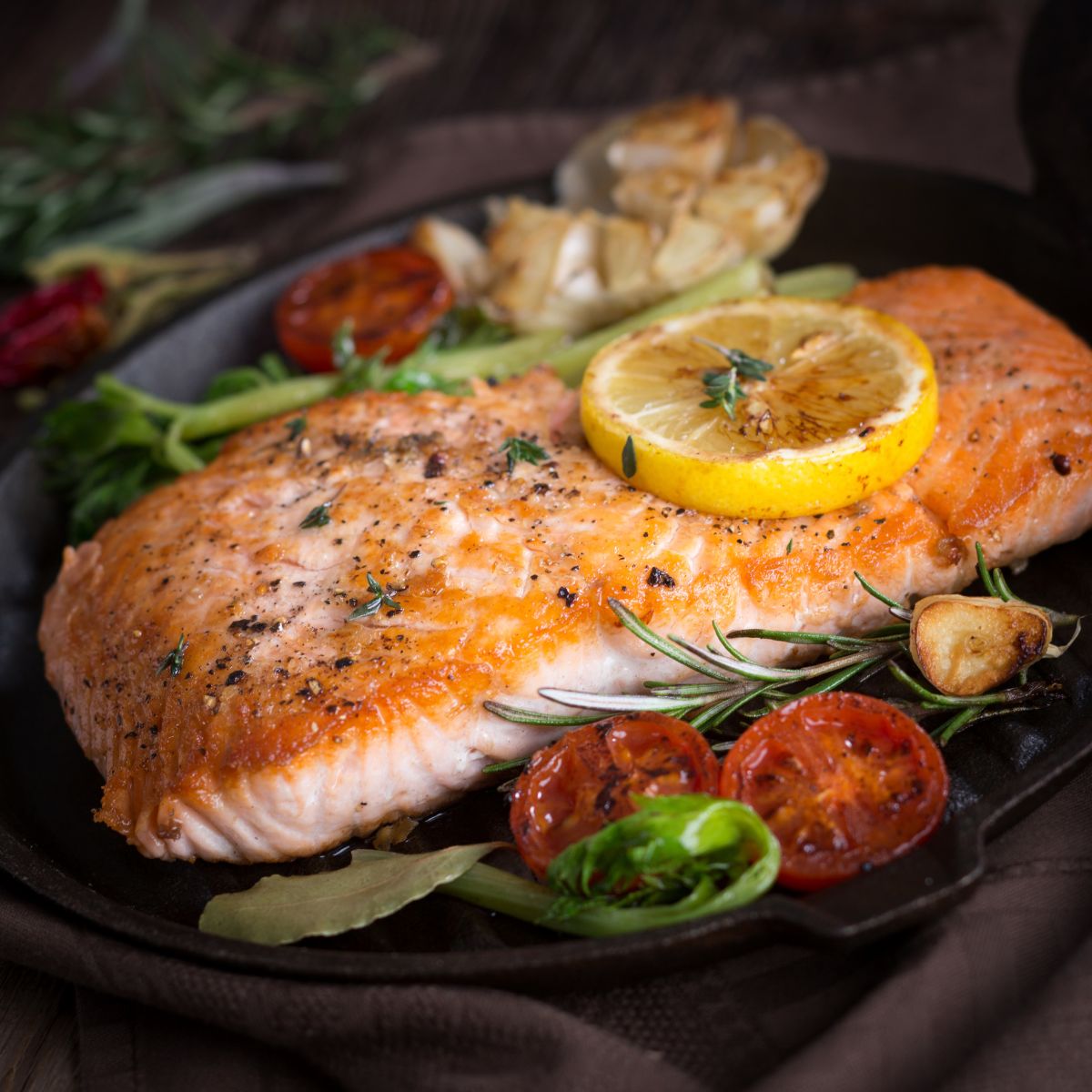
👉 The best internal temperature for salmon is 125-135°F for a tender, flaky, never-dry result.
👉 What temp should salmon be?
- Safe (USDA): 145°F
- Best texture (chefs use): 125-135°F
👉 Remove from heat at:
- 120-130°F for medium]
- It will continue cooking
If you've ever wondered what the perfect cooked salmon temperature is, this is your go-to guide. Whether you're baking, pan-searing, or learning how to broil salmon in the oven, getting the temperature right is the difference between buttery, flaky salmon… and dry, overcooked fish.
What Temperature Should Salmon Be?
The USDA recommends cooking salmon to 145°F, but most chefs agree that's actually overcooked for the best texture.
For perfectly cooked salmon:
- 125-135°F = tender, flaky, and moist
- Remove from heat early and let it rest
📊 H2: Salmon Doneness Chart
- Rare: 110-115°F
- Medium: 125-135°F
- Well done: 140-145°F
🤔 COOKED SALMON TEMPERATURE INTERNAL FAQ
- USDA safe temp: 145°F
- Best texture range: 125-130°F (restaurants and chefs temperature)
- Pull from oven at: 120-125°F (it continues cooking)
If you want moist salmon, aim for 125-130°F internal.
🔥 How to Broil Salmon in the Oven
If you're wondering how to broil salmon in the oven, it's one of the fastest and easiest ways to cook it.
- Place salmon about 6 inches from the broiler
- Broil for 6-10 minutes depending on thickness
- Pull at 125-130°F for best results
👉 This method gives you a slightly crisp top with a tender inside.
⭐️ This is my private chef clients' most requested dish- And my go-to way of cooking salmon at home.
🔥 Oven Roasted
- Preheat oven to 400°F.
- Pat salmon dry. Brush lightly with olive oil.
- Season with salt and pepper.
- Bake 10-14 minutes depending on thickness.
- Insert thermometer into thickest part.
Remove at 120-125°F. It will rise to 125-130°F as it rests.

👀 How Do You Know Salmon Is Done?
- It flakes easily with a fork The center is slightly translucent (not raw) Internal temperature hits your preferred doneness
⚠️ The Biggest Mistake People Make
Most people cook salmon to 145°F and wonder why it's dry.
👉 The truth: that temperature is "safe"-but not ideal for texture.
Pulling salmon earlier and letting it rest is the easiest way to get that soft, buttery finish.
HOW TO MAKE SALMON IN THE OVEN
🥇 What to Serve with Salmon
- crispy garlic parmesan potatoes for that perfect salty crunch
- or go a little elevated with a gorgonzola cream sauce
- a creamy pasta like this easy cottage cheese sauce pasta
Different Salmon Sauce Recipes
Lemon Dill Yogurt Sauce
Greek yogurt + lemon + dill + garlic
This creamy, refreshing salmon sauce is made by mixing
½ cup plain Greek yogurt with 1-2 tablespoons fresh chopped dill, 1 tablespoon lemon juice, 1 teaspoon lemon zest, and 1 minced garlic clove. Season with salt and pepper to taste, and add a teaspoon of olive oil for extra richness. Serve over cooked salmon.
Creamy Dijon Sauce
Dijon + cream + lemon juice
Place 1 tablespoon extra virgin olive oil,1 tablespoon dijon mustard,1 clove garlic,1 tablespoon fresh lemon juice,1 teaspoon chopped fresh thyme in a bowl and combine.
Spoon half of the lemon dijon mixture over the salmon fillets, top with the lemon slices, and bake for 8-10 minutes. Serve the other half with the cooked salmon.
Asian Salmon Recipe- Honey Soy Glaze
Soy sauce + honey + rice vinegar = the perfect Asian Salmon Recipe
¼ cup soy sauce, 2 tablespoon honey, and 1 tablespoon rice vinegar, often enhanced with sesame oil, garlic, and ginger. Brush on Salmon before cooking.
Salmon Cream Lemon Sauce
A simple, 10-minute lemon butter sauce for salmon is made by simmering ¼ cup chicken broth (or white wine) with 2 tablespoon fresh lemon juice, then whisking in 3 tablespoon cold, diced butter, minced garlic, and parsley. Reduce the liquid, then melt the butter over low heat for a rich, tangy finish.
Gorgonzola Cream Sauce
If you love a richer, restaurant-style option, try this gorgonzola cream sauce for salmon-it's bold, creamy, and perfect for entertaining.

FAQ
Flakes easily with a fork, has a slightly translucent center. The best way? Investing in a good meat thermometer is a game-changer. Insert it all the way into the salmon, and pull it out slowly. The lowest temperature reading is the accurate one. It will read a higher temperature the farther you go toward your pan, so we pull it out slowly to get the correct temperature. No thermometer? Don't worry. You can also test for doneness with a fork: if the fish flakes easily, it's probably ready.
Yes-salmon cooked to about 125°F is where the magic happens. It's safe, and honestly the sweet spot chefs swear by-moist, tender, and perfectly buttery with that medium-rare to medium texture.
To broil salmon in the oven:
Place salmon about 6 inches from the broiler
Broil for 6-10 minutes, depending on thickness
Remove when it reaches 125-130°F for perfect texture
This method gives you a lightly crisp top with a tender, flaky inside.
The best temperature for salmon is 125-135°F for a perfectly cooked, moist, and flaky result. While 145°F is considered fully cooked, many find that temperature slightly overdone.
Sockeye salmon is wild-caught, lean, and firm, with that deep red color and a richer, more "salmon-forward" (some say slightly gamey) flavor. Atlantic salmon has a milder taste, higher fat content, and that softer orange-pink color.
If you want bold flavor and a more natural, sustainable option, go sockeye. If you're after something milder, more buttery, and super versatile for everyday cooking, Atlantic is the easy win.

Storage Tips
To Store. Refrigerate salmon in an airtight container for up to 2 days.
To Reheat. Very gently rewarm leftovers in a baking dish in the oven at 350 degrees F or in the microwave or airfryer.
To Freeze. Freeze salmon in an airtight, freezer-safe storage container for up to 3 months.